When a Magnetic Spirit Level Helps — and When It Gets in the Way
A magnetic level sticks to steel and frees up both hands. Here's when that actually helps on the job — and when you'd rather have a plain one.
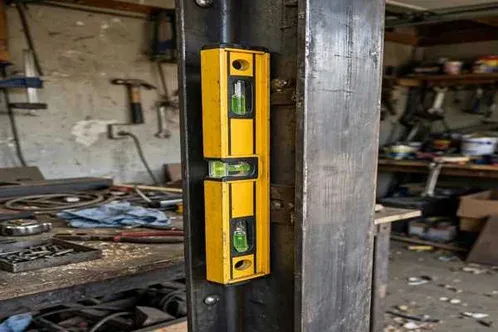
More and more people prefer to the magnetic spirit levl .
If you spent a morning trying to hold a level against a steel door frame with one hand while marking with the other, and the thing kept slipping down every time I let go. That's when you should have one magnet spirit level .
A magnetic level does one simple thing: it sticks to steel, and it stays there, so both your hands are free to mark, drill, or shim. On a steel beam, a steel door frame, a metal stud wall, that's worth a lot.
But if you Put it on wood, on aluminium, on a plastered wall, and the magnet does nothing at all, it's just a normal level, so if most of your work is timber or tiling, don't pay extra for a magnet you'll never use.
And there's a catch nobody tells you until it happens: a magnet picks up every little bit of metal around it — swarf, filings, a screw lying on the bench — and they all stick to the base, so the level ends up sitting on grit instead of sitting flat, and your reading is off , so wipe the base clean before you trust it, every time. Same on thin steel, too — a strong magnet can grab so hard you can't slide the level into place, and you end up fighting it.
If you work on steel most days, get the magnetic one ,If you mostly work on wood, save your money and get one without magnetic . Either way, keep the base clean. A level that doesn't sit flat is lying to you, magnet or not.