What to Check Before You Buy a Spirit Level
Don't buy a spirit level on looks alone. Check accuracy, frame, vials, magnets, and length first — here's what actually matters on site.
Most spirit levels look fine in the shop. Problems show up later, on site, when the bubble says one thing and the wall says another.
Start with accuracy. 0.5 mm/m is a professional standard. If you're looking at a digital one, check the resolution too — 0.05° is a good place to be — and ask whether it reads the same every time you put it back on the same spot. A level that changes its mind isn't helping anyone.
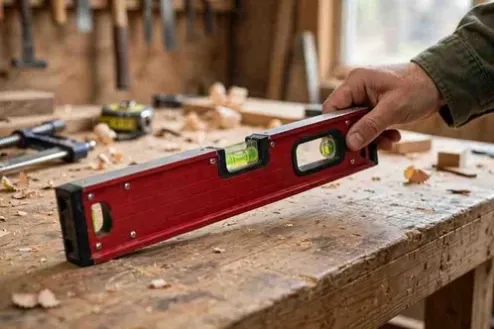
Then pick it up and look at the frame. Anodized 6063 aluminum holds up well. It doesn't bend easily, and it doesn't rust easily. A box beam is the stiffest shape you can get. An I-beam is lighter and easier to carry, but treat it a bit more gently. Whatever shape you choose, a reinforced base and a thicker wall are worth having. That's what keeps it straight after it's been dropped and thrown in the back of a van.
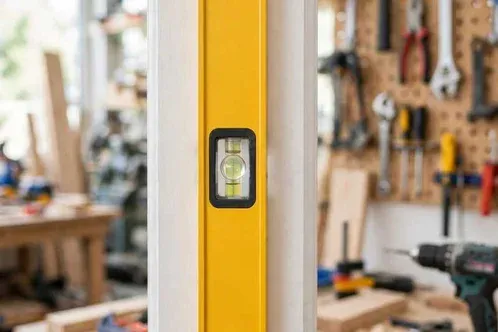
Check the vials. PMMA is clearer and tougher than ordinary acrylic, and you want to read the bubble in bright sunlight, from the side, not just straight on.
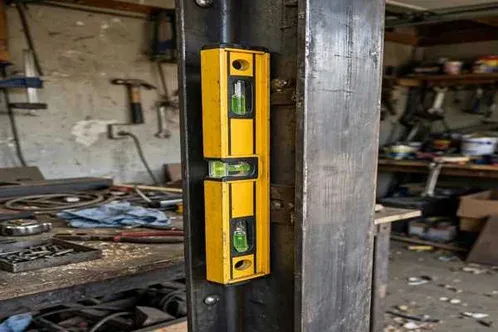
A magnet sounds like a small thing until you need it. On a steel frame or a pipe, it holds the level in place and frees up both hands. Same with the end caps — the rubber ones that absorb a knock, not just look like they do.
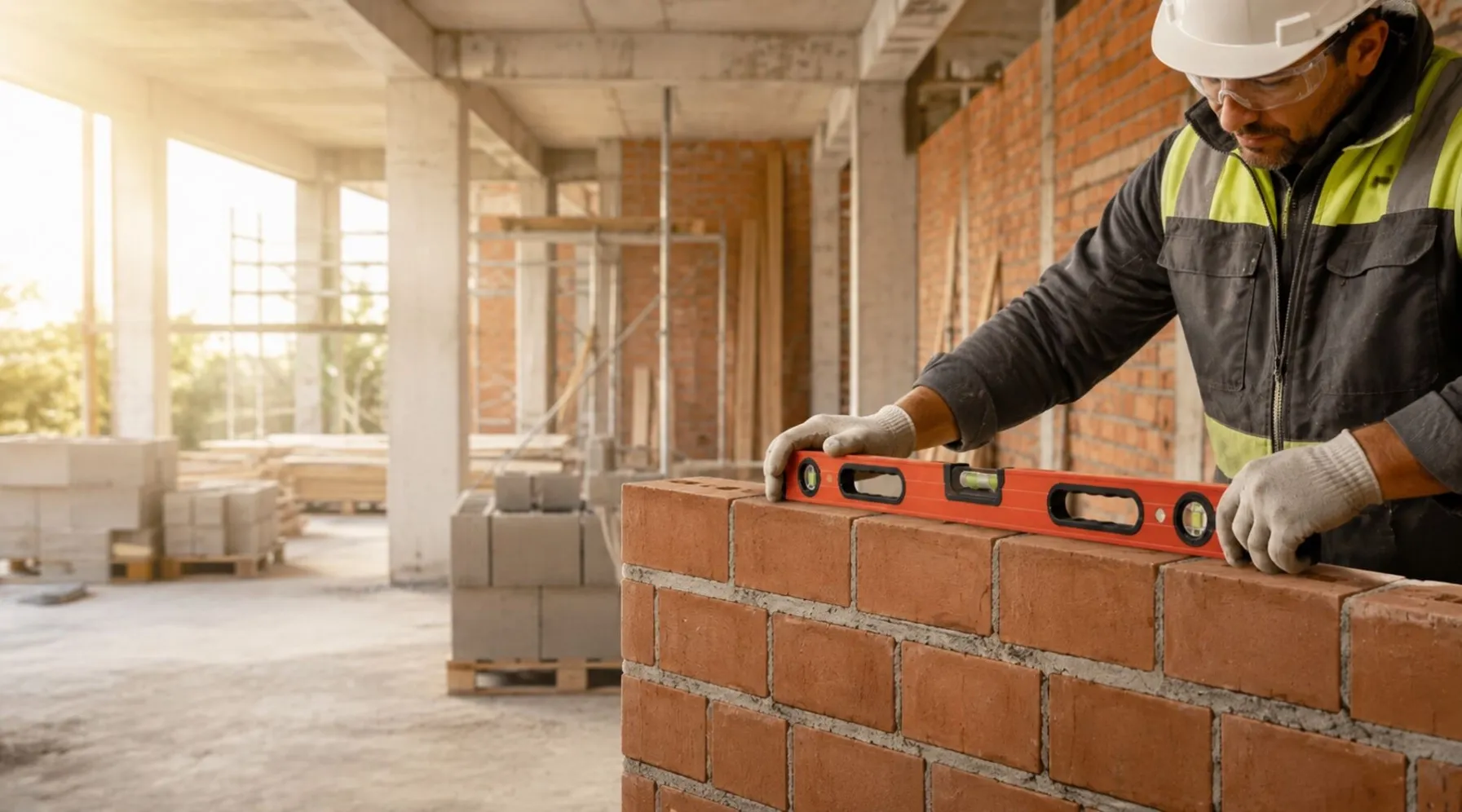
Last, length. A short one, 30 to 40 cm, is right for small jobs. For a wall or a floor, go 60 to 120 cm. A longer level bridges over little bumps instead of following every one of them, so what you see is more likely to be true.
Get those five things right, and you won't be buying the same level twice.